
Write us
info@agrigyan.com
+91 9999052385
Request a call back

Banana Peel Fertiliser: Fact or Myth?
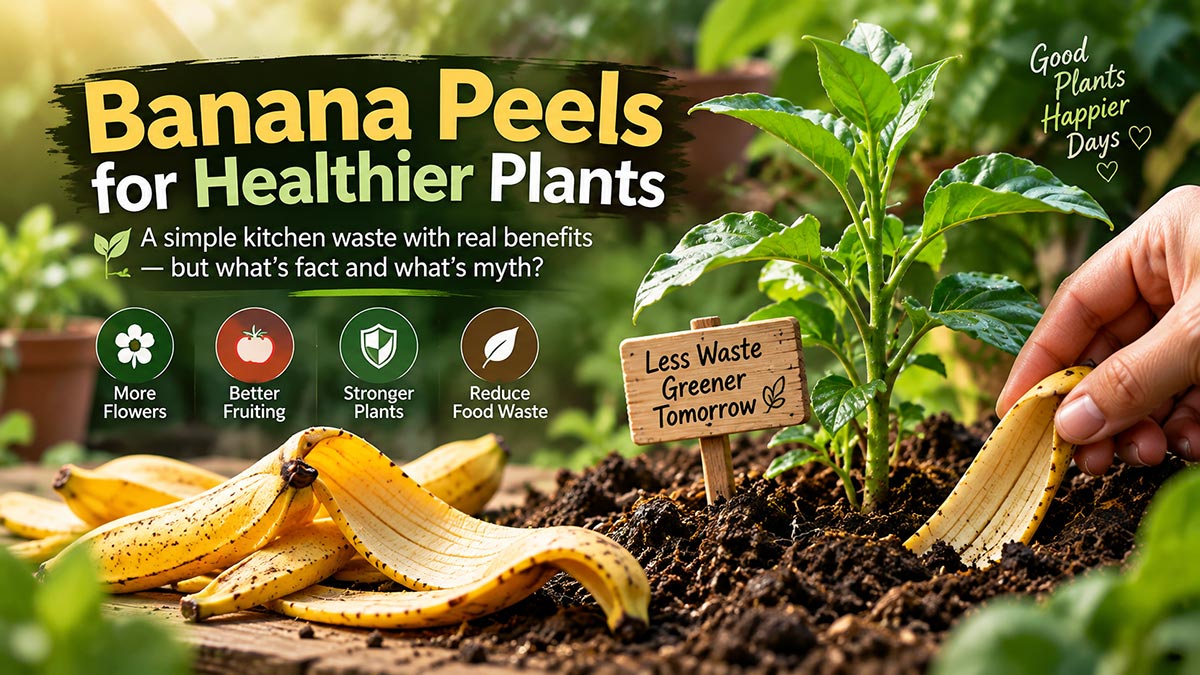
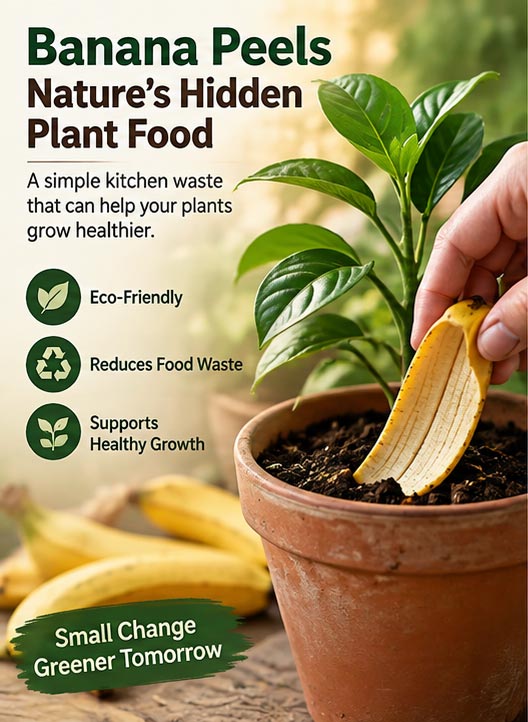
Few gardening tips travel as widely as "just bury a banana peel near your plant." It sounds simple, sustainable, and almost too good to be true — and like most popular gardening advice, it contains a real kernel of truth alongside some exaggeration. Banana peels do offer genuine nutritional value, but they're not the miracle, all-purpose fertiliser social media sometimes makes them out to be. This guide looks at exactly what's in a banana peel, what it can realistically do for your plants, and how to use it the right way.
What's Actually Inside a Banana Peel
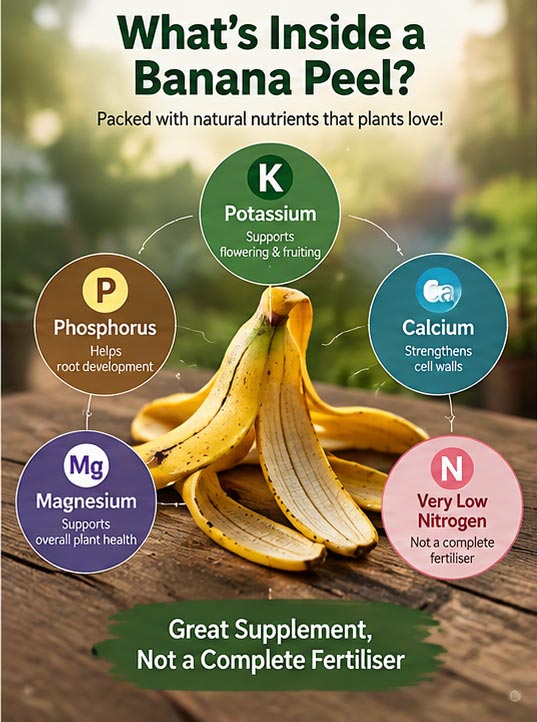
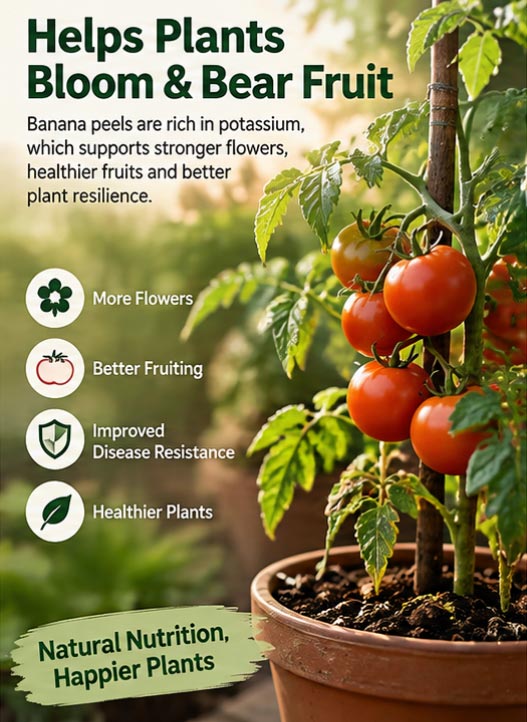
Banana peels are notably rich in potassium, one of the three major nutrients plants need, along with smaller amounts of phosphorus, calcium, and magnesium. What they're conspicuously low in, however, is nitrogen — the nutrient most responsible for leafy growth. This is the key fact that separates the myth from the reality: banana peels can genuinely support flowering, fruiting, and overall plant strength thanks to their potassium content, but they cannot function as a complete fertiliser on their own, since they're missing a meaningful amount of nitrogen and offer only modest phosphorus.
What Banana Peel Fertiliser Can Realistically Help With
Because of their potassium content, banana peels can provide a genuine, if modest, boost to flowering and fruiting plants, supporting stronger blooms, improved disease resistance, and better overall plant resilience — all roles potassium plays in a plant's internal processes. They can be a useful, free supplement to your regular feeding routine rather than a replacement for it, particularly for potassium-hungry plants like roses, tomatoes, and other flowering or fruiting varieties.
What It Can't Do
Banana peels are not a substitute for a balanced NPK fertiliser or nitrogen-rich feed, since a plant relying on banana peels alone will likely show signs of nitrogen deficiency over time, such as pale leaves and slow leafy growth, even while potassium levels stay adequate. They also break down relatively slowly if used incorrectly, meaning the nutrients aren't always available exactly when a plant needs them most.
The Right Ways to Use Banana Peels
-
Chopped and Buried:
Chop the peel into small pieces to speed up decomposition, and bury it a few inches into the soil around the plant, keeping it away from direct contact with the stem or roots. Burying it, rather than leaving it on the surface, helps it break down faster and reduces the chance of attracting fruit flies or pests.
-
Banana Peel Water (Tea):
Soak one or two chopped peels in a litre of water for 24 to 48 hours, then strain and use the liquid to water your plants. This method releases nutrients faster than burying whole pieces and is a convenient way to use peels regularly without digging into the soil each time.
-
Composting:
Adding banana peels to a home compost bin or vermicompost setup is one of the most effective ways to use them, since they break down alongside other organic material into a balanced, ready-to-use compost rather than being applied as a single, isolated nutrient source.
The Right Ways to Use Banana Peels
-
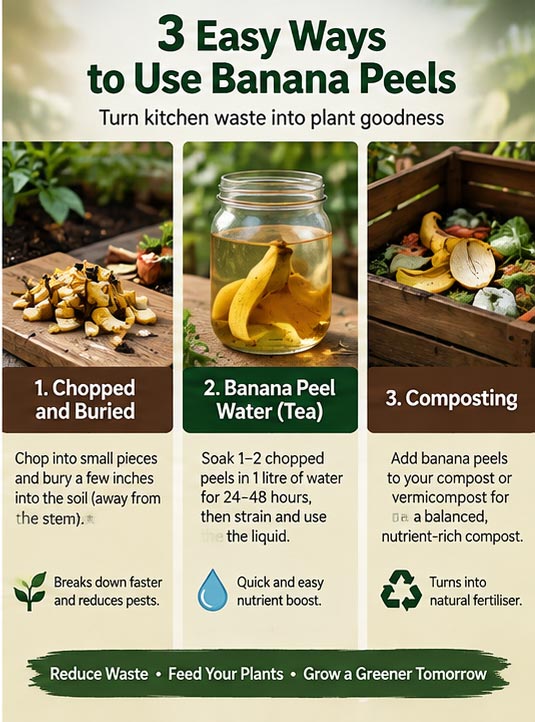
Chopped and Buried:
Chop the peel into small pieces to speed up decomposition, and bury it a few inches into the soil around the plant, keeping it away from direct contact with the stem or roots. Burying it, rather than leaving it on the surface, helps it break down faster and reduces the chance of attracting fruit flies or pests.
-
Banana Peel Water (Tea):
Soak one or two chopped peels in a litre of water for 24 to 48 hours, then strain and use the liquid to water your plants. This method releases nutrients faster than burying whole pieces and is a convenient way to use peels regularly without digging into the soil each time.
-
Composting:
Adding banana peels to a home compost bin or vermicompost setup is one of the most effective ways to use them, since they break down alongside other organic material into a balanced, ready-to-use compost rather than being applied as a single, isolated nutrient source.
Common Mistakes With Banana Peel Fertiliser
- Leaving whole, unchopped peels sitting on top of the soil, where they decompose slowly and can attract fruit flies or a bad smell.
- Relying on banana peels as a complete fertiliser instead of pairing them with a nitrogen source like vermicompost or a balanced NPK feed.
- Using too many peels too often in a small pot, which can occasionally attract pests before they fully decompose.
- Expecting fast, dramatic results — banana peel nutrients release gradually, not instantly.
A Note on Ripe vs Unripe Peels
The ripeness of the banana itself makes a small difference: peels from very ripe, spotted bananas tend to be softer and break down a little faster once buried or soaked than peels from less ripe fruit. This isn't a major factor in practice, but it's worth knowing if you're wondering why one batch of banana peel tea seems to work faster than another — it's simply a matter of how far along the peel already was in its own natural breakdown process.
So, Fact or Myth?
The honest answer sits in between: banana peel fertiliser is a fact, not a myth, in the sense that it genuinely contributes real potassium and trace nutrients to soil. But the version of the claim that treats it as a complete, standalone fertiliser capable of replacing regular feeding is an exaggeration. Used correctly — chopped, buried or soaked, and paired with a proper nitrogen source — banana peels are a legitimate, free supplement worth adding to your routine, just not a substitute for it.
FAQs
Yes, most plants can benefit from the potassium boost, though flowering and fruiting plants like roses,
tomatoes, and hibiscus tend to show the most noticeable benefit.
Only if left on the soil surface unburied or unchopped. Burying chopped peels a few inches into the
soil, or using banana peel water instead, avoids this problem.
Using one peel per medium-sized pot every couple of weeks, or adding peels regularly to a compost bin, is a reasonable, safe frequency that avoids overloading the soil.
Banana peels are a genuinely useful, free source of potassium for your garden, but they work best as a supplement alongside a proper fertiliser routine rather than as a replacement for one. Chop, bury or soak, and pair with a nitrogen source, and you’ll get a real, if modest, benefit without the pest problems that come from using them the wrong way.