Write us
info@agrigyan.com
+91 9999052385
Request a call back

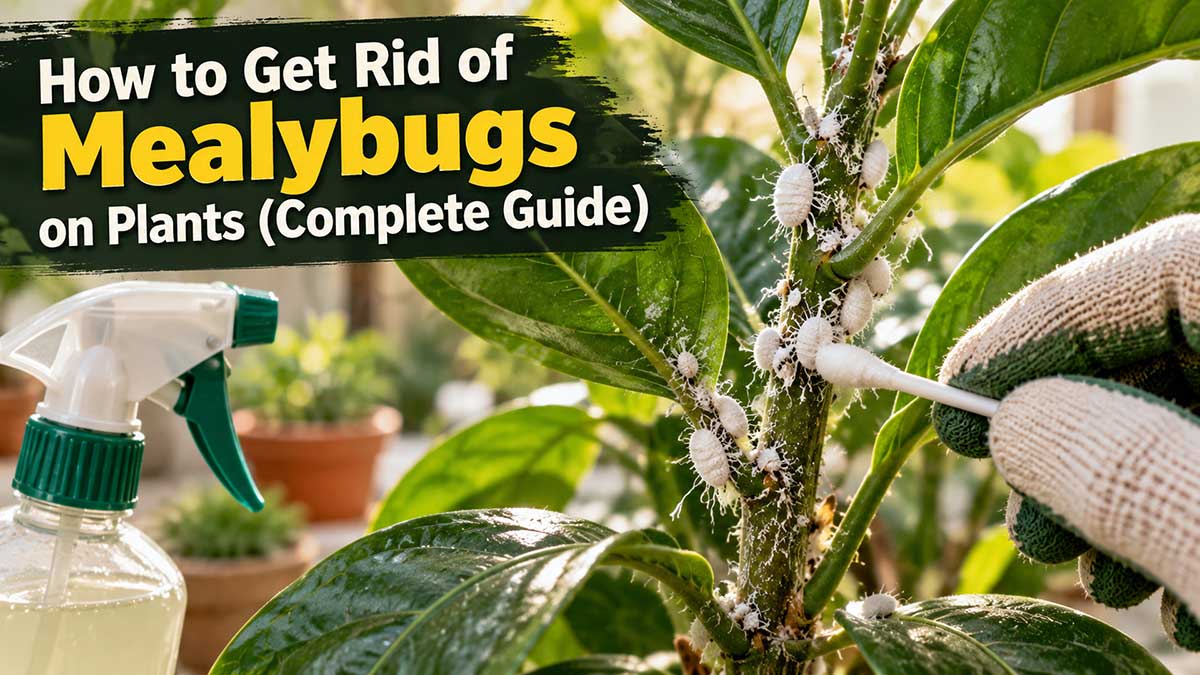
How to Get Rid of Mealybugs on Plants (Complete Guide)
Mealybugs: How to Identify, Remove and Prevent Them
Mealybugs are among the most frustrating pests a plant owner can face, not because they're dangerous in small numbers, but because they multiply quickly, hide in hard-to-see spots, and can spread from one plant to an entire collection if left unchecked. Recognisable by the small, cottony white clusters they leave behind, mealybugs can weaken a plant significantly over time if the infestation isn't caught early. This guide covers how to identify mealybugs, remove them naturally, and prevent them from coming back.
How to Identify Mealybugs
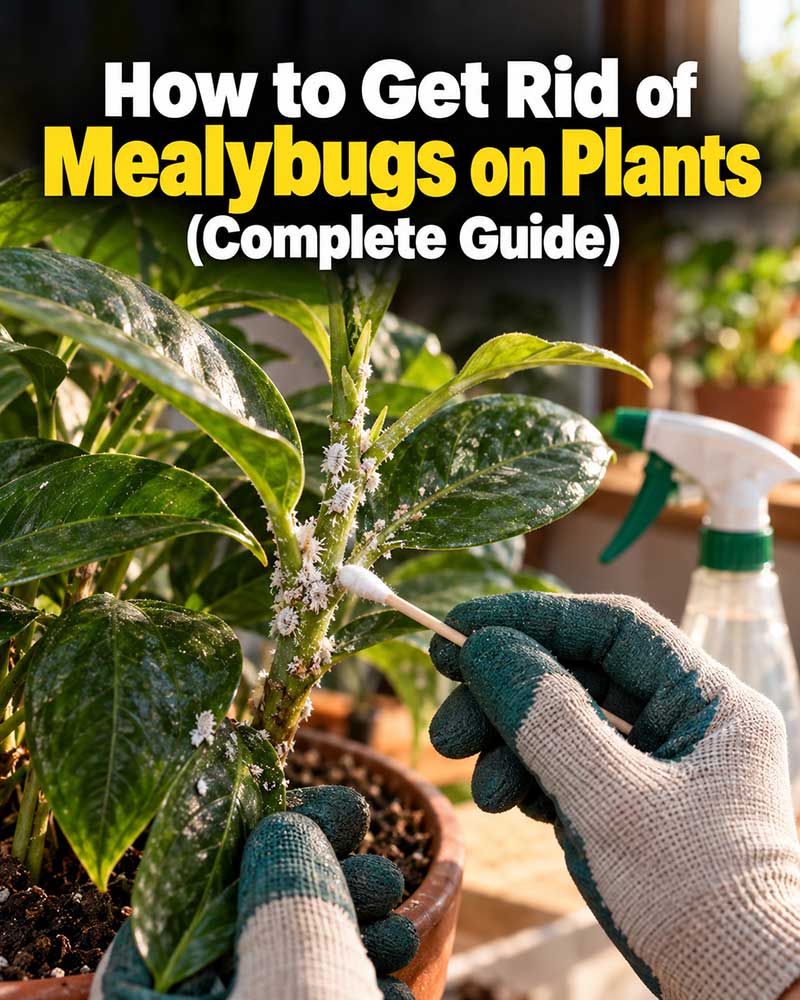
Mealybugs are small, soft-bodied insects covered in a white, waxy, cotton-like coating, usually about 2 to 4 millimetres long, making them visible to the naked eye once you know what to look for. They tend to cluster in protected spots — leaf joints, the undersides of leaves, along stems, and around new growth tips — rather than spreading evenly across a plant.
A telltale early sign is small white, fuzzy-looking patches that look almost like tiny bits of cotton wool stuck to the plant.
Why Mealybugs Are Harmful
Mealybugs feed by piercing plant tissue and sucking out sap, which gradually weakens the plant, slows growth, and can cause leaves to yellow, curl, or drop in a serious infestation. As they feed, they excrete a sticky substance called honeydew, which coats nearby leaves and often develops into a black fungal growth known as sooty mould.
Left untreated, a heavy mealybug infestation can seriously stunt or even kill a smaller, more vulnerable plant.
Natural Ways to Remove Mealybugs
1. Isopropyl Alcohol Spot Treatment
Dip a cotton swab in isopropyl alcohol (rubbing alcohol) and dab it directly onto visible mealybugs. The alcohol dissolves their protective waxy coating and kills them on contact, making it one of the fastest and most effective spot treatments for small infestations.
Repeat every couple of days, checking leaf joints and undersides carefully, until no more mealybugs appear.
2. Neem Oil Spray
Mix a neem oil solution according to the product's dilution instructions (typically a few millilitres per litre of water, with a drop of mild liquid soap to help it bind to leaf surfaces) and spray thoroughly, covering the undersides of leaves and stem joints where mealybugs hide.
Neem oil disrupts the pests' feeding and life cycle and also acts as a preventive deterrent for future infestations. Reapply every 7 to 10 days for two to three cycles to catch newly hatched mealybugs.
3. Insecticidal Soap
A mild insecticidal soap spray works similarly to neem oil, breaking down the mealybugs' protective coating and dehydrating them. It's a good option to alternate with neem oil, especially on sensitive plants that may react to more frequent neem oil use.
Step-by-Step Treatment Routine
- Isolate the affected plant away from other plants immediately to prevent the infestation from spreading.
- Rinse the plant gently under running water or wipe leaves with a damp cloth to physically remove as many visible mealybugs as possible.
- Spot-treat remaining clusters with isopropyl alcohol on a cotton swab.
- Follow up with a full neem oil or insecticidal soap spray, covering all leaf surfaces, stems, and joints.
- Repeat the spray every 7 to 10 days for at least three treatment cycles, since mealybug eggs can survive the first round and hatch afterward.
- Keep the plant isolated until you've seen no new mealybugs for at least two consecutive checks.
Preventing Mealybugs From Coming Back
- Inspect plants regularly, especially leaf joints and undersides, so any new infestation is caught early.
- Quarantine new plants for one to two weeks before placing them near your existing collection.
- Avoid overcrowding plants, since mealybugs spread more easily when leaves are touching.
- Avoid over-fertilising with nitrogen-heavy feeds, since soft, lush new growth is more attractive to mealybugs.
- Keep a light neem oil spray routine every few weeks as ongoing prevention for plants that have had mealybugs before.
When to Consider a Chemical Pesticide
For most home garden and houseplant situations, consistent natural treatment resolves mealybug infestations within two to three weeks. However, for a severe, widespread infestation that isn't responding to repeated natural treatment, a systemic insecticide labelled for mealybug control can be considered as a last resort, applied strictly according to the product's instructions and kept away from edible parts of food plants close to harvest.
Where Mealybugs Usually Come From
Mealybugs most often enter a home or garden on a new plant that was already lightly infested before purchase, since early-stage infestations are easy to miss in a crowded nursery.
They can also travel between plants on garden tools, hands, or even air currents in a room with several plants close together, which is why a single untreated infestation can quietly spread to an entire collection over a few weeks if it goes unnoticed.