Write us
info@agrigyan.com
+91 9999052385
Request a call back

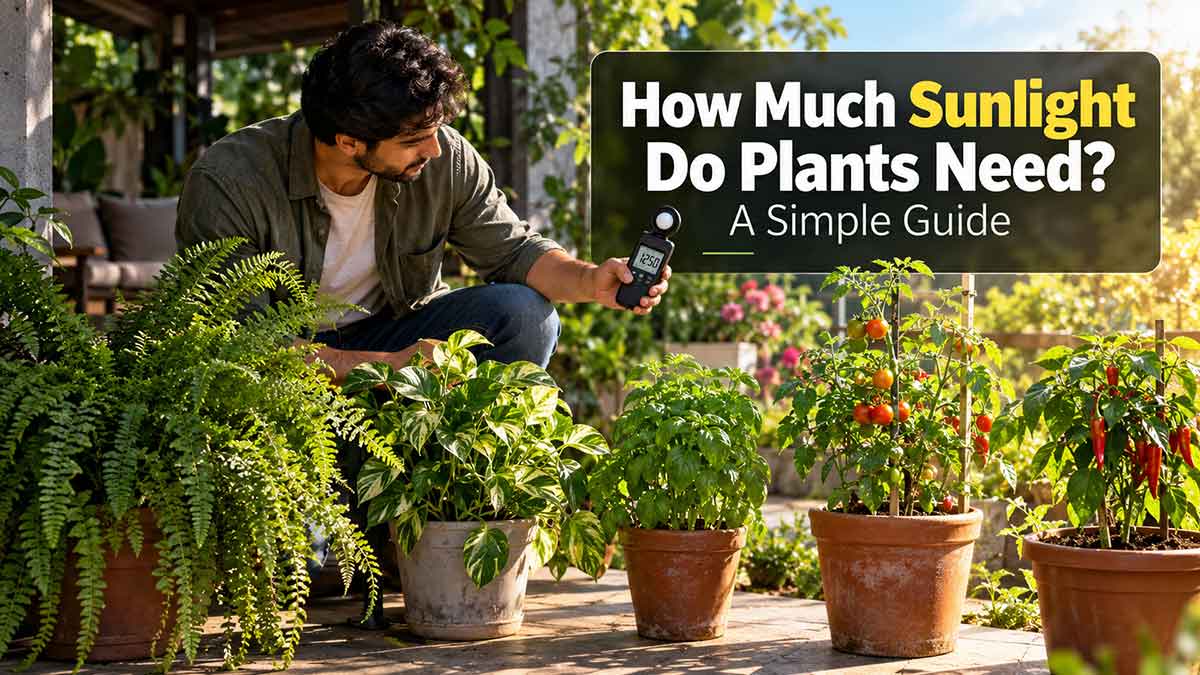
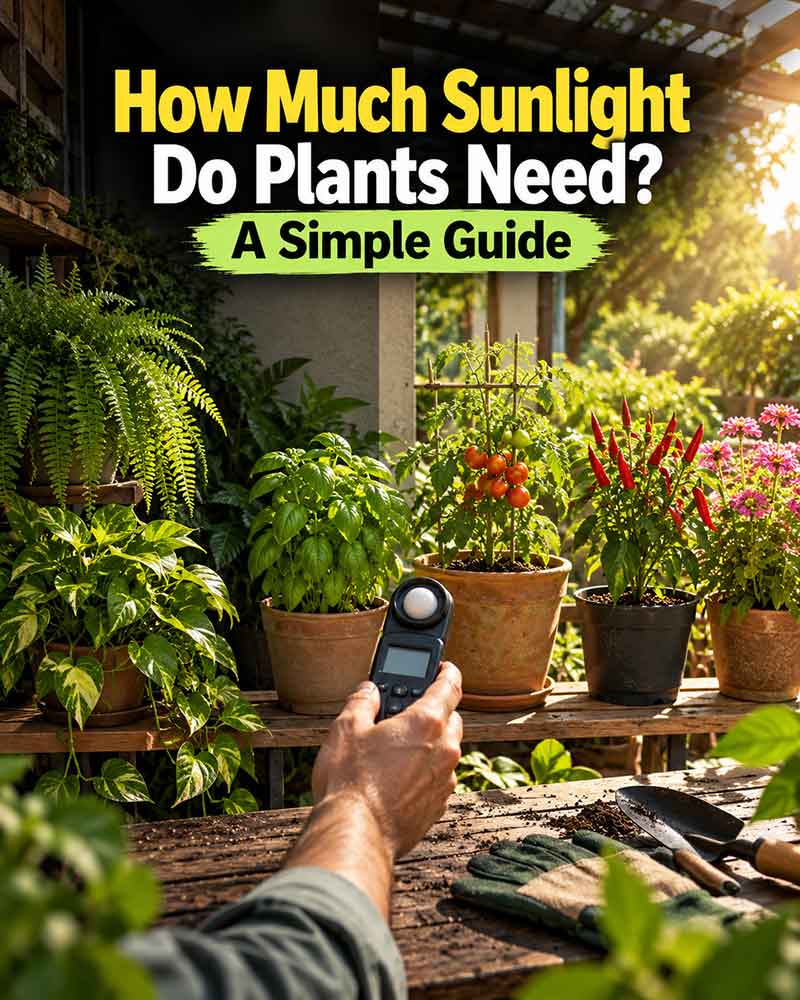
How Much Sunlight Do Plants Need? A Simple Guide
Sunlight is the single most important resource a plant needs, since it powers photosynthesis, the process plants use to convert light into the energy they need to grow, flower, and fruit. Yet it's also one of the most commonly misjudged factors in home gardening, since a spot that feels "bright" to a person walking through a room can be far too dim for a sun-loving plant, and vice versa. This guide breaks down the main light categories, what they actually mean in hours, and how to figure out what your own space offers.
The Three Main Light Categories
Full Sun (6+ Hours of Direct Light)
Full sun plants need at least 6 hours of direct, unfiltered sunlight daily to grow and flower well. This category includes most vegetables like tomatoes and chillies, flowering plants like roses and marigold, and many herbs like basil and mint. Plants in this category placed in a shadier spot will typically grow slowly, produce fewer flowers, and develop weak, stretched-out stems as they reach for more light.
Partial Sun / Partial Shade (3 to 6 Hours)
Plants in this category do well with a moderate amount of direct sun, ideally in the gentler morning or late afternoon hours, combined with bright indirect light for the rest of the day. Many leafy vegetables, ferns, and a range of flowering shrubs fall into this category, thriving with protection from harsh midday sun while still needing meaningful light exposure.
Low Light / Shade (Under 3 Hours, Mostly Indirect)
Shade-tolerant plants can survive and even grow reasonably well with just bright, indirect light and minimal direct sun exposure. Popular low-light houseplants like pothos, snake plant, and ZZ plant fall into this category, making them well suited to interior rooms and north-facing spaces that don't receive strong direct sunlight.
Direct Light vs Indirect Light
Direct light means sunlight falling straight onto the plant without anything blocking or filtering it, such as a plant sitting in a sunny, unobstructed window or outdoors in the open. Indirect light means the space is bright, but sunlight is filtered or reflected rather than falling directly on the plant, such as a spot a few feet back from a window or under the dappled shade of a tree. Many plants described as needing "bright indirect light" specifically want strong natural brightness without the intensity of direct sun hitting their leaves, which can scorch more delicate foliage.
How to Assess Your Own Space
Spend a day observing a spot at a few different times — morning, midday, and late afternoon — noting whether direct sunbeams reach it and for roughly how long. In India, south and west-facing windows typically receive the strongest, most direct light through the day, while north-facing spaces tend to stay brighter but without much harsh direct sun, and east-facing spots get gentler morning sun that's easier on sensitive plants. If you're unsure, a simple shadow test works well: a sharp, well-defined shadow usually means strong direct light, while a soft, blurry shadow suggests bright but indirect light.
Signs of Too Much or Too Little Sun
- Too much direct sun: Scorched, bleached, or crispy brown patches on leaves, especially on the side facing the light.
- Too little light: Leggy, stretched growth with unusually long gaps between leaves as the plant reaches toward a light source.
- Too little light: Pale, washed-out leaf colour and poor or absent flowering even in an otherwise healthy-looking plant.
- Too much light for a shade-loving plant: Wilting during the hottest part of the day even with adequate soil moisture.
Matching Common Plants to Light Categories
As a rough, practical reference: full-sun lovers include tomato, chilli, rose, marigold, hibiscus, and most culinary herbs. Partial-sun plants include many leafy greens, ferns, and hydrangea. Low-light tolerant houseplants include pothos, snake plant, ZZ plant, and peace lily, all of which are popular precisely because they adapt well to the more limited light available in typical indoor rooms. When buying a new plant, checking its light category before deciding where to place it will save a lot of trial and error later.
Adjusting Light Exposure Seasonally
Sunlight intensity and duration shift meaningfully across seasons, particularly in regions with distinct summer and winter light differences. A spot that offered gentle partial sun in winter may become harsh, scorching full sun by peak summer as the sun's angle changes, so it's worth reassessing your plants' placement every few months rather than assuming a spot that worked once will always work the same way.
A Note on Grow Lights
For rooms that simply don't get enough natural light no matter where a plant is placed, an affordable LED grow light is often a better long-term solution than repeatedly moving a struggling plant around the house in search of a brighter spot. Position the light 12 to 18 inches above the plant and run it for 8 to 10 hours a day to approximate a reasonable amount of usable light for most low to moderate-light plants.